Travel SEO Agency
Travel SEO agency for direct bookings, not OTA commissions.
Senior-only SEO for attractions, hotels and tour operators. Rank before the season opens and convert on your own booking flow.
- Senior consultants only, no juniors on your account
- Berlin TV Tower: 30% more unbranded traffic, year one
- Native keyword research per source market

Trusted by ambitious brands worldwide



SEMrush agency
Rated #1 SEO agency in The Netherlands by SEMrush
100% Dedicated to SEO
SEO is all we do, and we're good at it
Most travel SEO chases head terms the OTAs already own.One language for an attraction the whole world visits.And the booking engine is someone else's problem.
Most travel SEO chases head terms the OTAs already own. One language for an attraction the whole world visits. And the booking engine is someone else's problem.
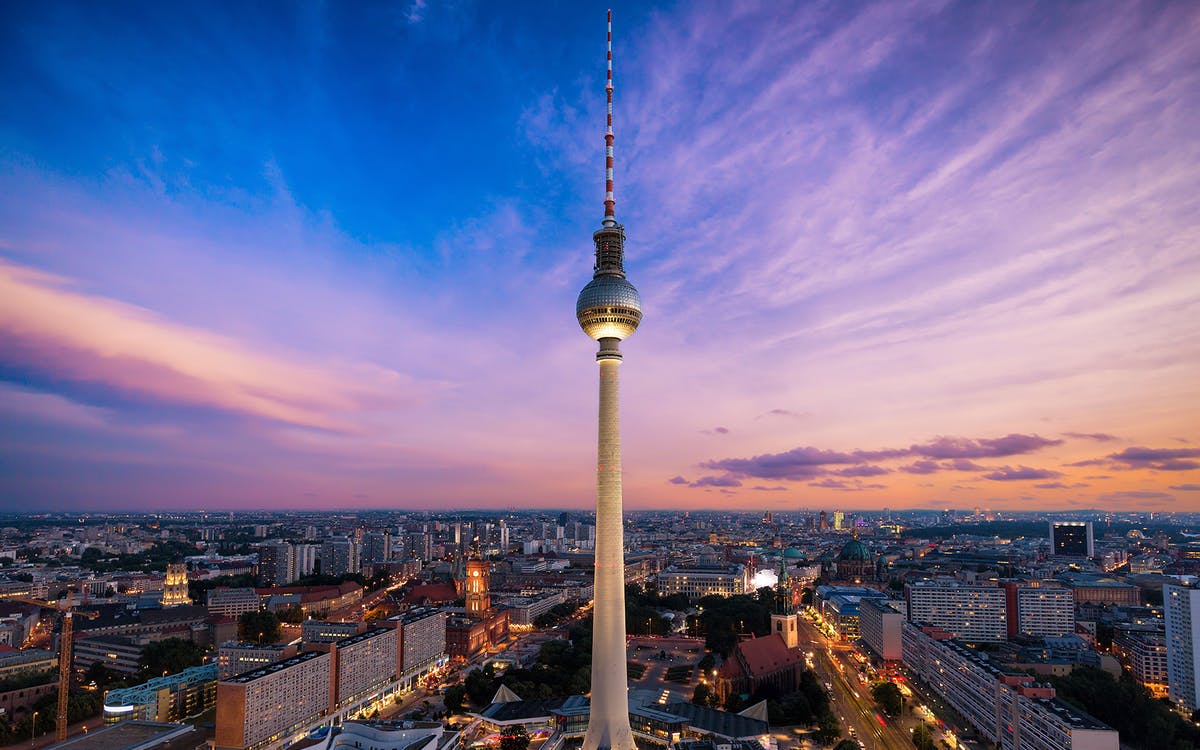
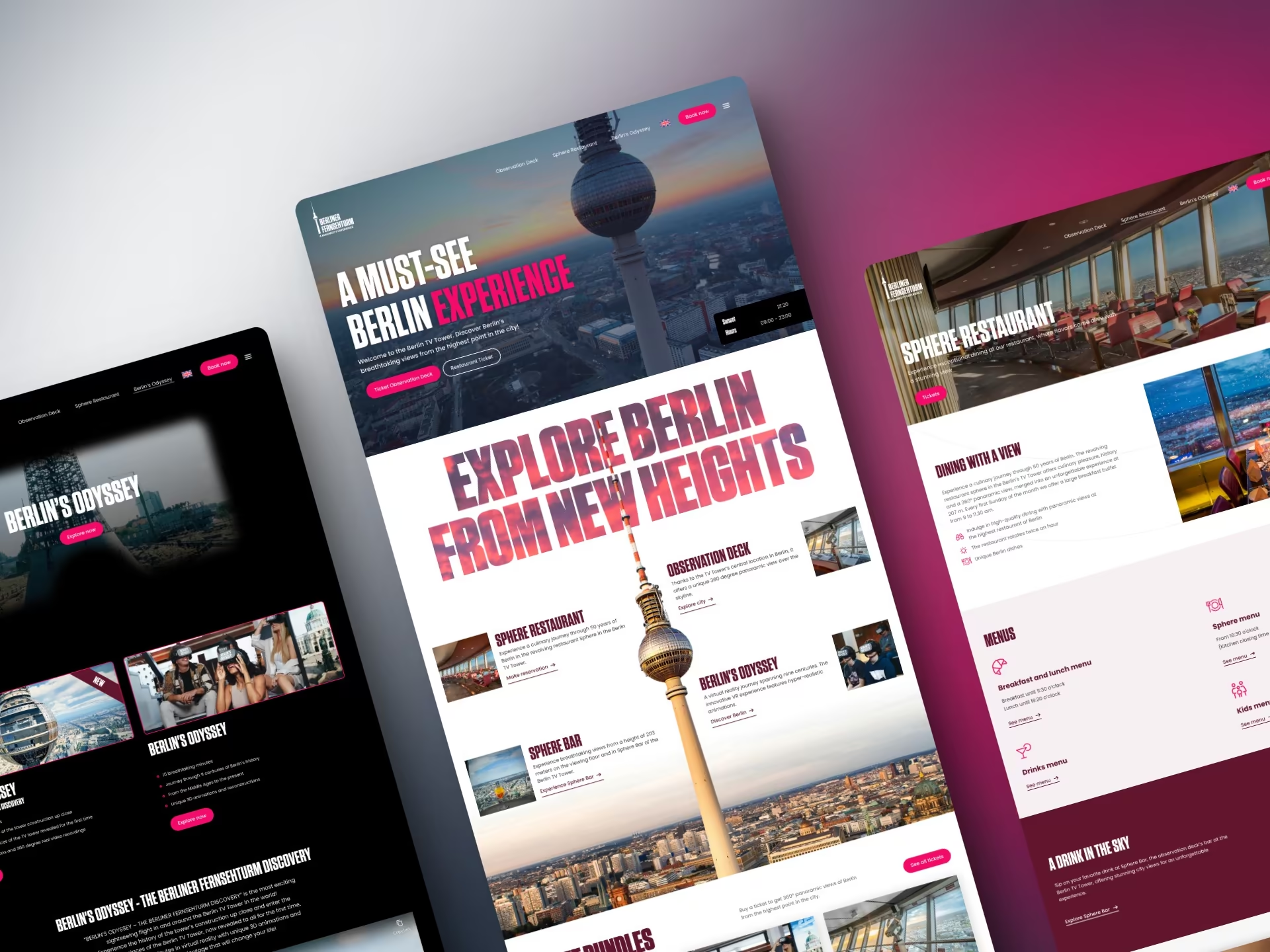
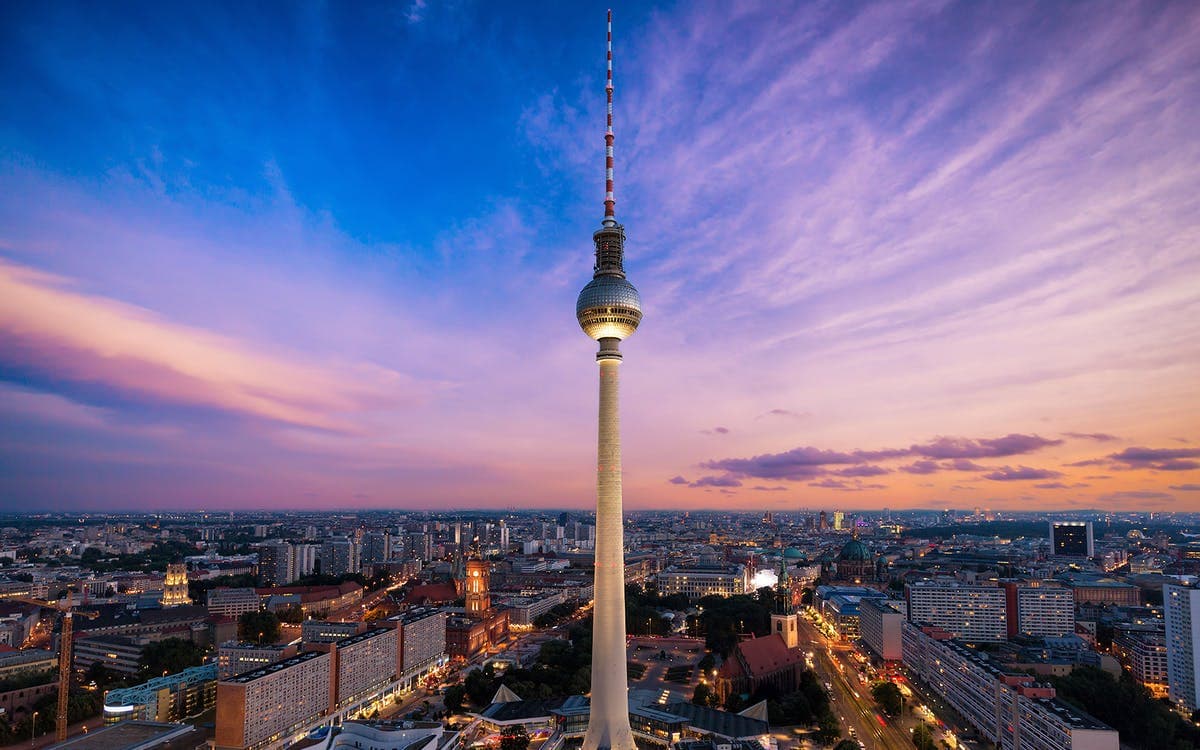
A travel SEO agency earns its fee on the queries the OTAs leave behind. Booking.com, Expedia, GetYourGuide and Tiqets own the head terms and take a commission on every booking they send you. The play is everything underneath: brand plus destination, experience and itinerary pages, things-to-do hubs per city, and a booking flow that converts the visitor once they land. We are a senior-only, 100% SEO agency in Amsterdam. Our anchor travel case is the Berliner Fernsehturm, where over 1 million monthly visitors reach the ticket platform through Google and unbranded traffic grew 30% in year one. Same research, same technical rigour, applied to hotels, attractions, tour operators and destinations across Europe.
See the travel case workHow a travel SEO engagement runs
How a LASEO travel SEO engagement runs
Five phases over the first 12 months. Each phase ends with a decision document and a deliverable shipped to your repo, your CMS, your booking engine vendor's queue or your reporting stack.
- 01
Booking engine and technical audit (weeks 1-3)
Screaming Frog crawl in JavaScript rendering mode across the marketing site and the booking engine, plus log-file analysis to see which ticket, room and date URLs Googlebot actually requests. We map parameter URLs to canonicals, check hreflang, sitemaps and Core Web Vitals per template, and audit any existing TouristAttraction, Hotel and Event schema. Output: a prioritised technical backlog, with the vendor tickets already written for you.
- 02
Source-market and seasonality research (weeks 2-5)
Native keyword research per source market from separate SEMrush and Ahrefs databases (DE, UK, US, FR, ES, IT, NL and whichever markets send you guests), split by intent: brand plus destination, things to do, experience, itinerary and booking terms. GSC and trend data show when each market starts searching, so the content calendar sits four to six months ahead of each season. Output: a keyword workbook per market with a month-by-month publishing plan.
- 03
Page architecture and content briefs (weeks 4-10)
Destination, experience, itinerary and things-to-do hubs designed as one architecture, one URL per intent per language, with hreflang wired across the whole tree. Every page gets a brief: target term per market, SERP notes from the local database, internal links, schema and the booking call to action. Native writers produce the copy, we review it against the brief and ship it through your CMS or as a Git pull request.
- 04
Booking flow CRO and schema deployment (months 3-6)
GA4 purchase events on the booking confirmation, tagged per market and page type. TouristAttraction, Hotel, Event, Offer and FAQ schema deployed and validated. Then A/B tests on the flow itself: ticket selection, date picker, price anchoring, trust signals near the pay button. At the Berlin TV Tower this testing programme is ongoing, and the first year closed with a 20% conversion uplift.
- 05
Links, digital PR and monthly scorecard (month 2 onward)
Link targets per source market: travel press, destination blogs, event listings, partner attractions and hotel associations, with LASEO running outreach or briefing your PR team. Monthly scorecard in Looker Studio shows organic bookings and revenue per market, per page type and per season, next to rank movement on tracked terms. Delivered the second working day of each month, with a Loom walkthrough of what changed.
Think of us asthe SEO team behind your direct booking channel.
Your marketing team owns brand, partnerships, OTA distribution and the seasonal campaign calendar. We own the organic layer underneath: native keyword research per source market, the destination and experience page architecture, the technical audit of the booking engine, TouristAttraction, Hotel, Event and Offer schema, hreflang across every language, and the A/B test programme on the booking flow itself. Reporting lands in a Looker Studio dashboard that splits organic bookings by source market and by page type, so you can see whether Germany or the UK is paying for itself. At the Berlin TV Tower that setup runs alongside ongoing A/B tests on the booking flow, and the first year closed with a 20% conversion uplift.
What a travel SEO agency actually does
Travel SEO, explained without the agency fog
Travel SEO is three problems stacked. The OTAs own the head terms, so the strategy has to live in the long tail, per destination and per source market. The booking engine is usually a separate system that Google cannot read. And demand is seasonal, so timing decides whether a page earns anything this year or next. Each problem has a cheap wrong answer and an expensive right one.
Direct bookings versus OTA bookings
Booking.com, Expedia, GetYourGuide, Viator and Tiqets rank for 'hotels in Lisbon' and 'Berlin tickets' because they hold the authority and the inventory. Chasing them head-on burns a year. The winnable queries are brand plus destination, the specific experience, the itinerary and the question a traveller asks before choosing. Rank there, convert on your own booking flow, and every booking you take direct is a commission you keep.
Attractions and ticketing are a different sport
An attraction sells time slots, not rooms. Ticket pages need to rank per language, carry TouristAttraction and Event schema, expose price and availability to Google Things to do, and load fast on a phone at the gate. The Berlin TV Tower case is that pattern end to end: multilingual pages, structured data and a booking flow under constant A/B testing, with over 1 million monthly visitors reaching the ticket platform through Google.
Seasonality: rank before the booking window opens
Travel demand for July is searched in February and March. A page published in June arrives after the decisions were made. We map the search calendar per market from GSC and SEMrush trends and schedule content four to six months ahead of the season it serves, so it has time to index, earn links and settle in the rankings. The same calendar tells you when to refresh last year's pages instead of writing new ones.
Multilingual SEO per source market, not per language
A German guest and an Austrian guest search differently, and both differ from a Swiss one. We research each source market in its own SEMrush database, brief native writers per market and wire hreflang across every language pair, verified with Merkle's tester and a Screaming Frog crawl. One English site with a translation widget ranks for nobody in Munich, Madrid or Milan.
Booking engines that hide from Google
Most booking engines render inventory through JavaScript widgets, sit on a vendor subdomain or generate parameter URLs for every date and party size. Google either cannot read them or indexes thousands of duplicates. We check what Googlebot renders, set canonicals and parameter rules, keep the indexable content on your domain and write the ticket for the vendor. 'That is the vendor's problem' is how a travel site loses a year.
AI trip planning is a new source of demand
Travellers ask ChatGPT, Gemini and Perplexity for a weekend itinerary and book what the answer names. Google AI Overviews answer 'is it worth visiting' before the click. Getting cited needs clear entity signals, TouristAttraction and Hotel schema, original data (visitor numbers, opening hours, capacity) and pages that answer one question well. We treat this GEO work, the AI SEO layer, as part of every travel programme, not an add-on.

.svg?dpl=dpl_BUKTNznZkX6bCnYgYToE3smHWxWV)
.svg?dpl=dpl_BUKTNznZkX6bCnYgYToE3smHWxWV)




Why LASEO vs alternatives
Travel SEO agencies compared honestly
Generalist agencies, hotel marketing shops, OTA-first consultants and in-house hires all have a use case. Here is where a senior travel SEO partner fits and where it does not.
Chases OTA head terms
- Targets 'cheap flights' and 'hotels in Paris' against Booking.com and Skyscanner. Reports impression growth while bookings stay flat.
- Treated as the vendor's problem. Content and inventory sit on a subdomain behind JavaScript that Google never indexes.
- One English site with a translation widget, or machine-translated pages with no hreflang and no local research.
- Content published when the writer gets to it, usually mid-season, after the bookings were made.
- A schema plugin with generic Organization markup. No TouristAttraction, Hotel or Event, nothing in Google Things to do.
- Sessions and keyword counts in a PDF. No link between organic traffic and bookings, no split by source market.
Owns the direct booking layer
- Brand plus destination, experience, itinerary and things-to-do terms per source market, researched natively per SEMrush database and mapped to the pages that convert.
- Crawled with Screaming Frog in JavaScript rendering mode, log files checked, canonicals and parameter rules set, vendor tickets written by us and tracked to closure.
- One architecture, one URL per intent per language, hreflang verified with Merkle and Screaming Frog, native writers briefed per source market.
- Search calendar per market from GSC and SEMrush trends. Content shipped four to six months ahead of the season, plus a refresh list for last year's pages.
- TouristAttraction, Hotel, Event, Offer and FAQ per template, fed by booking data, validated and shipped as a pull request, re-tested after every deploy.
- GA4 booking revenue per source market and page type in Looker Studio, next to rank movement and the A/B test log. Scorecard the second working day of each month.
Topical cluster
Related industries and services
Conversion Rate Optimization
Statistical rigour, full-funnel testing, and revenue uplift measured in EUR per visitor. No 50-visitor tests…
Local SEO
Senior-only local SEO. We fix your Google Business Profile, NAP and citations, and ship local schema directly…
International SEO
We handle the technical layer: hreflang return-tags, ccTLD vs subfolder decisions, Shopify Markets…
European SEO Agency
Senior-only SEO across the EU and UK. Verified hreflang, native per-country research and per-market revenue…
Enterprise SEO Agency
Senior-only SEO for sites with thousands of URLs and a release train. Philips: 17 storefronts, 8 languages, 2…
Fashion & Beauty SEO Agency
Senior-only SEO for fashion and beauty brands: category architecture, faceted navigation and product…
Travel and adjacent multi-market work
One iconic attraction, and the multi-market SEO around it










What clients say about working with LASEO
Senior SEO partnership in their own words
LASEO consulting is a senior thinker alongside you, without agency overhead. Finally an agency that does not park a junior on the account.
Our product pages did nothing in Google until LASEO rewrote the templates using the actual language our customers search with. Organic conversions have been significantly higher since.
Our backlink profile was thin for years. LASEO built targeted links via digital PR and sport media and our authority climbed steadily.
LASEO consulting is a senior thinker alongside you, without agency overhead. Finally an agency that does not park a junior on the account.
Our product pages did nothing in Google until LASEO rewrote the templates using the actual language our customers search with. Organic conversions have been significantly higher since.
Our backlink profile was thin for years. LASEO built targeted links via digital PR and sport media and our authority climbed steadily.
Honest answers about travel SEO 
What buyers actually ask before signing a travel SEO retainer.

Travel SEO is search engine optimisation for businesses that sell trips, stays, tickets and experiences: hotels, attractions, tour operators, travel agencies and destination organisations. It differs from ordinary SEO in three ways. The head terms belong to OTAs with far more authority and inventory than you, so the strategy lives in brand plus destination, experience and itinerary queries. Demand is seasonal, so timing matters as much as ranking. And the booking usually happens in a third-party engine that Google struggles to read. Doing SEO for a travel website therefore starts with the technical audit of that engine, then native keyword research per source market, then a page architecture per destination and experience, then schema and the booking flow. Our recommendation: before writing a single page, crawl your booking engine in JavaScript rendering mode and see what Google actually indexes.

Senior strategy call
Bring a travel SEO problemto a senior consultant.
30 minutes with a LASEO senior consultant. We will not pitch. We will look at what Google can see of your booking engine, where your source markets are leaking to the OTAs, and tell you whether we are the right partner for your direct booking channel.