Healthcare SEO Agency
Healthcare SEO agency, medically reviewed, run by seniors.
Senior-only SEO for hospitals, clinics, device and pharma brands. Reviewed clinical content, consent-first analytics, no juniors.
- Senior consultants only, no juniors on your account
- Medical review built into every content brief
- Consent-first GA4, no patient data in analytics

Trusted by ambitious brands worldwide



SEMrush agency
Rated #1 SEO agency in The Netherlands by SEMrush
100% Dedicated to SEO
SEO is all we do, and we're good at it
Most healthcare SEO is local SEO with a stethoscope icon.Symptom articles nobody with a licence has read.A tracking pixel on the appointment form.
Most healthcare SEO is local SEO with a stethoscope icon. Symptom articles nobody with a licence has read. A tracking pixel on the appointment form.
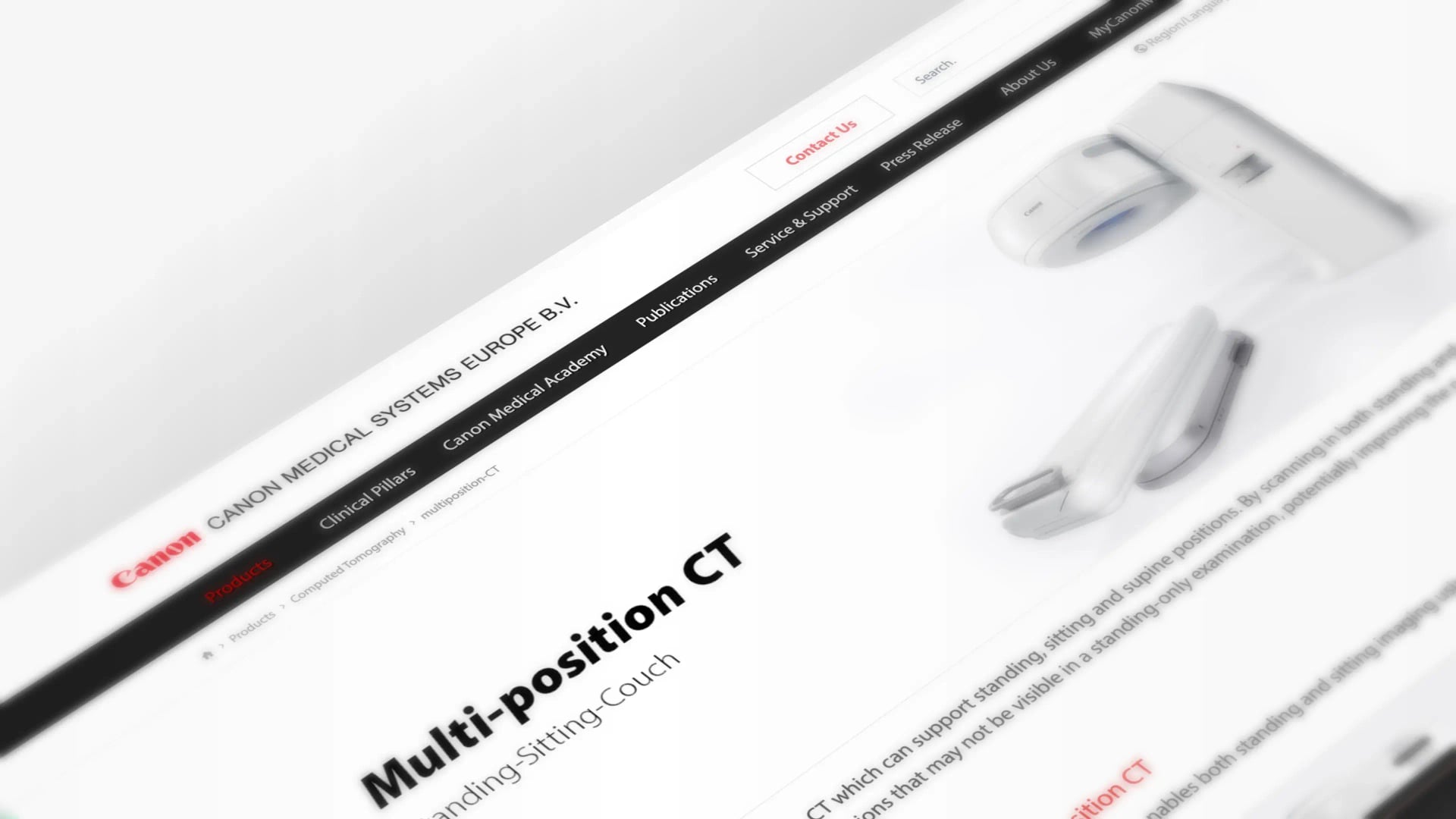
A healthcare SEO agency works inside rules a retail agency never meets. Google treats health pages as Your Money or Your Life content, so a page without a credible author, a dated medical review and citations to primary sources is held to a standard it cannot pass. Patients and healthcare professionals search differently and may be told different things. A device page may only claim what its CE marking covers. Analytics has to run consent-first, with no patient data in GA4. We are an Amsterdam agency that does nothing but SEO, with senior consultants who shipped this for Canon Medical Systems Europe across 8 languages and for a healthcare recruiter that now takes 300+ organic applications a month.
See healthcare case studiesHow a healthcare SEO engagement runs
How a LASEO healthcare SEO engagement runs
Five phases over the first 12 months. Each phase ends with a decision document and a deliverable shipped to your repo, your CMS, your Google Business Profiles or your reporting stack.
- 01
Technical and compliance audit (weeks 1-2)
Screaming Frog crawl plus log-file analysis of the whole portfolio: hreflang, canonicals, sitemap structure, Core Web Vitals per template, JavaScript rendering, indexable job pages. In parallel, a GTM container audit: every tag that fires on appointment, contact, symptom checker and condition pages, the consent mode state and the cookie banner. Plus a register of pages that make clinical claims with no named reviewer. Output: a prioritised ticket list an engineer can act on, and pull requests where we have repo access.
- 02
Audience and query mapping (weeks 2-4)
Three audiences, researched separately: patients, healthcare professionals and, if you recruit, candidates. SEMrush and Ahrefs per market and per language, native research for non-English markets. Every query is classified by intent: symptom (AI Overview territory), treatment, specialist, location, cost and insurance, device specification, vacancy. Informational terms stay only where they feed a conversion page. Output: a keyword workbook per audience mapped to existing URLs and templates, with gaps and claims boundaries flagged for your regulatory reviewer.
- 03
Review workflow and content briefs (weeks 3-8)
We define who reviews what: physician, pharmacist, nurse specialist or regulatory affairs, per page type and per market. The page standard sets the fields: author, reviewer, credentials, review date, sources. The re-review cadence goes in the Notion runbook. Then briefs for treatment, service-line, location, specialist and device pages, each with target query, SERP analysis, required sections, sources to cite and the internal link plan. Writer, reviewer, Git pull request, in that order.
- 04
Structured data, local and recruitment build (months 2-6)
Schema shipped as pull requests: MedicalOrganization or Hospital at organisation level, MedicalClinic and Physician per location, Product for devices, JobPosting per vacancy, FAQPage where Google still shows it for health sites, validated in the Rich Results Test. One Google Business Profile per location, a location page template, a NAP audit across directories. For multi-language portfolios, one hreflang cluster verified with Merkle and Screaming Frog, and Core Web Vitals fixes per template, the Canon Medical route.
- 05
Consent-first measurement and reporting (month 2 onward)
GTM consent mode configured, advertising pixels removed from appointment, symptom and condition pages, GA4 conversion events for appointment request, callback, brochure download, professional registration and job application, with no form values or condition names as parameters. Looker Studio dashboard split by audience, service line and location, pulling GSC and GA4. Monthly scorecard on the second working day: rankings on treatment, location and specification terms, consented conversions from organic, Core Web Vitals and review-date status.
Think of us asthe SEO team beside your medical affairs and compliance leads.
Your clinicians, medical affairs and regulatory teams decide what may be claimed, to whom, in which market. Your marketing lead owns brand, service lines and campaigns. We own the healthcare SEO layer underneath: the technical audit (hreflang, canonicals, sitemap structure, Core Web Vitals per template), the content briefs that go to your writers and then to your named reviewer, Physician, MedicalClinic and Hospital schema, one Google Business Profile per location, JobPosting markup for vacancies, consent mode in GTM and GA4, and a Looker Studio dashboard split by patient and professional audience. No clinical claim reaches a Git pull request without a reviewer's name on it. Generalist agencies skip that split: they publish the symptom article, skip the review and put a pixel on the appointment form.
What a healthcare SEO agency actually does
Healthcare SEO, explained without the agency fog
Healthcare SEO is four problems stacked: Google's YMYL standard (who wrote this, who reviewed it, what does it cite), the regulatory layer (what may be claimed, to whom, in which market), the privacy layer (what may be measured, and how) and the ordinary technical layer every site has, made harder by multi-language portfolios and multi-location providers. Each has a cheap wrong answer that costs more later.
YMYL and E-E-A-T are a standard, not a checkbox
Google's quality rater guidelines classify health pages as Your Money or Your Life and judge them on experience, expertise, authoritativeness and trust. In practice: a named author with credentials, a named reviewer with a review date, citations to guidelines or primary literature, an about page that says who the organisation is, and links from institutions rather than directories. An author box on a content-mill article does not pass. Accurate, reviewed, consistent pages do.
Patients, professionals and the regulator read differently
Patients search in lay terms: symptoms, treatment options, cost, insurance, the nearest clinic. Professionals search for indications, specifications, clinical evidence and training. Medical device SEO and pharma SEO add the regulator: a device page may only claim what its CE marking under the EU MDR covers, and prescription medicines may not be promoted to the public in the EU. Two content tracks, with your regulatory team setting the claims boundary per audience and per market.
AI Overviews take symptom queries, so rank for the decision
Google's AI Overviews answer what causes X and is X serious directly, and that click rarely converted anyway. The queries that still send patients and buyers are treatment, specialist, location, cost, waiting time, device specification and which clinic. We prioritise those pages and structure them so AI answers cite you: clear entity signals, structured data, one question answered well. Generative engine optimisation is part of every healthcare programme, not an add-on.
Consent-first analytics is a design constraint
Health data is a special category under the GDPR, and a visit to an appointment form, a symptom checker or a condition page reveals health status. So: consent mode in GTM, no advertising pixels on those pages, no form values in event parameters, no condition names passed to third parties, and a tag map that says what fires where. You can still measure organic to appointment request, with consented first-party events.
Local SEO for healthcare is one profile per location
A provider with many locations needs one Google Business Profile per site with the right primary category (hospital, medical clinic, dentist, physiotherapist), services, hours and a phone number that is answered, plus one indexable location page each with MedicalClinic or Physician schema and consistent NAP across directories. Review responses never discuss a patient. One head-office profile and a single locations page lose to the independent clinic down the road.
Recruitment is search too: Google Jobs
Nurses, doctors and technicians search for their next job in Google, and Google Jobs pulls vacancies from pages that carry JobPosting schema with title, location, employment type, valid dates and salary where allowed. Vacancies inside an ATS iframe are invisible. Indexable job pages with markup and clean expiry handling are how TalentCare, a healthcare recruiter, got 30+ job pages into the top 3 and 300+ organic applications a month.

.svg?dpl=dpl_BUKTNznZkX6bCnYgYToE3smHWxWV)
.svg?dpl=dpl_BUKTNznZkX6bCnYgYToE3smHWxWV)




Why LASEO vs alternatives
Healthcare SEO agencies compared honestly
Generalist agencies, medical marketing shops, content mills and in-house hires all have legitimate use cases. Here is where a senior healthcare SEO partner fits and where it does not.
Local SEO with a stethoscope
- Symptom articles from a content mill, no author, no reviewer, no sources. Pushed down by national health portals within weeks.
- Meta pixel and remarketing tags on the appointment form. Condition names in event parameters. Nobody owns the tag map.
- One keyword list, one template. A patient page ranks for a professional query and carries claims it should not.
- One head-office Google Business Profile and one locations page for the whole group.
- Each country site translated on its own, separate canonicals, no hreflang. Google picks the language for the user.
- Sessions up, blended. Cannot say which service line or location produced the appointment requests.
Regulated SEO, run by seniors
- Briefs for treatment, service-line and device pages. Your physician, pharmacist or regulatory reviewer signs off, name and date on the page, sources cited.
- GTM consent mode, no advertising pixels on appointment, symptom or condition pages, no form values in events. Tag map documented per page type.
- Two content tracks with separate keyword sets and templates. Claims boundary per audience and per market set by your regulatory team, recorded in the brief.
- One profile and one indexable page per location, MedicalClinic or Physician schema, NAP audited across directories, review responses that never discuss patients.
- One hreflang cluster across every language (8 for Canon Medical Systems Europe), verified with Merkle and Screaming Frog, Core Web Vitals fixed per template.
- Looker Studio split by audience, service line and location. Consented conversion events tied to organic. Scorecard on the second working day of each month.
Topical cluster
Related industries and services
SEO Copywriting
Every brief tied to commercial intent and revenue. Senior writers with 5+ years of SEO, not Upwork…
Local SEO
Senior-only local SEO. We fix your Google Business Profile, NAP and citations, and ship local schema directly…
International SEO
We handle the technical layer: hreflang return-tags, ccTLD vs subfolder decisions, Shopify Markets…
B2B SEO Agency
Senior-only SEO for B2B companies. Bottom-of-funnel pages first, organic tied to SQLs and pipeline in HubSpot…
Enterprise SEO Agency
Senior-only SEO for sites with thousands of URLs and a release train. Philips: 17 storefronts, 8 languages, 2…
Manufacturing SEO Agency
Senior-only SEO for manufacturers. Spec-driven keywords, PIM data as Product schema and RFQs attributed in…
Healthcare and adjacent regulated work
Healthcare SEO work: medical devices, recruitment and mobility










What clients say about working with LASEO
Senior SEO without agency overhead, in their own words
LASEO consulting is a senior thinker alongside you, without agency overhead. Finally an agency that does not park a junior on the account.
Our product pages did nothing in Google until LASEO rewrote the templates using the actual language our customers search with. Organic conversions have been significantly higher since.
Our backlink profile was thin for years. LASEO built targeted links via digital PR and sport media and our authority climbed steadily.
LASEO consulting is a senior thinker alongside you, without agency overhead. Finally an agency that does not park a junior on the account.
Our product pages did nothing in Google until LASEO rewrote the templates using the actual language our customers search with. Organic conversions have been significantly higher since.
Our backlink profile was thin for years. LASEO built targeted links via digital PR and sport media and our authority climbed steadily.
Honest answers about healthcare SEO 
What buyers actually ask before signing a healthcare SEO retainer.

Ignore the logo wall and ask four questions. Who reviews clinical content, and where do the reviewer's name, credentials and review date appear on the page? Which tags fire on your appointment form, and can they show you a tag map? How do they handle patients and healthcare professionals as separate audiences, and who sets the claims boundary for a device or medicine? And how do they treat a multi-location provider: one Google Business Profile or one per location? Most healthcare SEO companies, whether they call themselves a medical SEO agency or a pharma SEO agency, cannot answer the first two. We can, and we have done the multi-language version for Canon Medical Systems Europe (8 languages, one hreflang cluster) and the recruitment version for TalentCare (300+ organic applications a month). Our recommendation: ask for the tag map before the proposal.

Senior strategy call
Bring a healthcare SEO problemto a senior consultant.
30 minutes with a LASEO senior consultant. We will not pitch. We will look at your tag container, your review workflow and your location or language setup, and tell you whether we are the right partner for your healthcare programme.