Fashion & Beauty SEO Agency
Fashion & beauty SEO agency: win the category, keep the brand.
Senior-only SEO for fashion and beauty brands: category architecture, faceted navigation and product templates that rank.
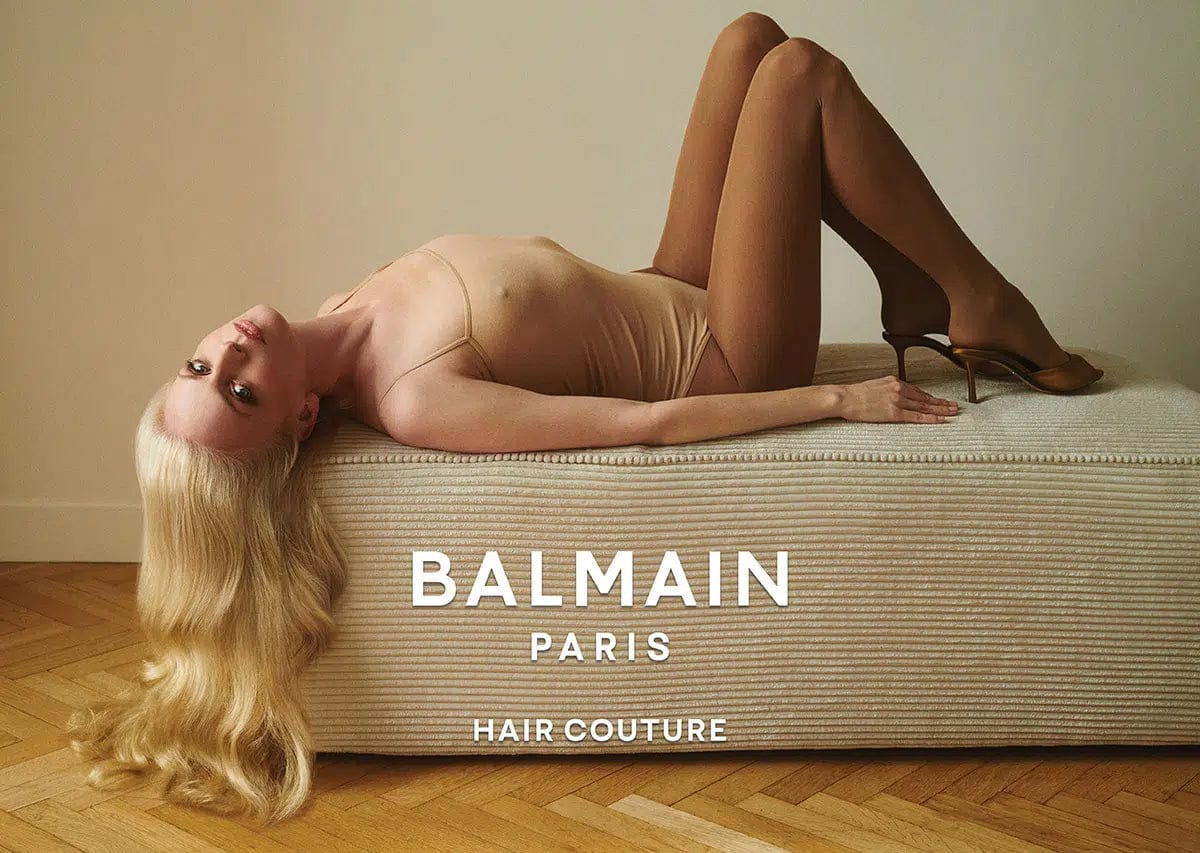
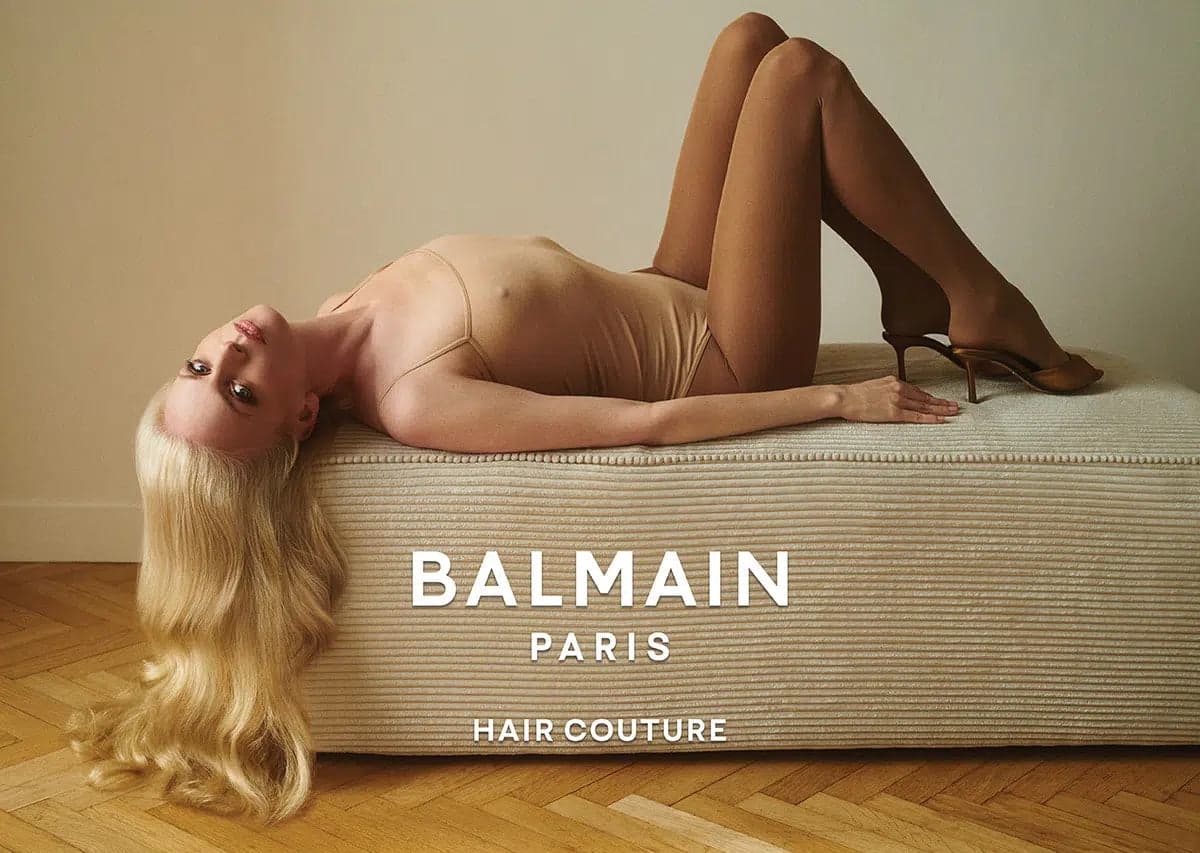
- Balmain Hair: 4+ labels, 6 languages, one architecture
- Every facet decided: index, noindex or block
- Brand tone kept intact, no keyword copy under photos

Trusted by ambitious brands worldwide



SEMrush agency
Rated #1 SEO agency in The Netherlands by SEMrush
100% Dedicated to SEO
SEO is all we do, and we're good at it
Most fashion SEO is a blog post about spring trends.Half the catalogue noindexed by a filter app.Keyword copy pasted under luxury photography.
Most fashion SEO is a blog post about spring trends. Half the catalogue noindexed by a filter app. Keyword copy pasted under luxury photography.
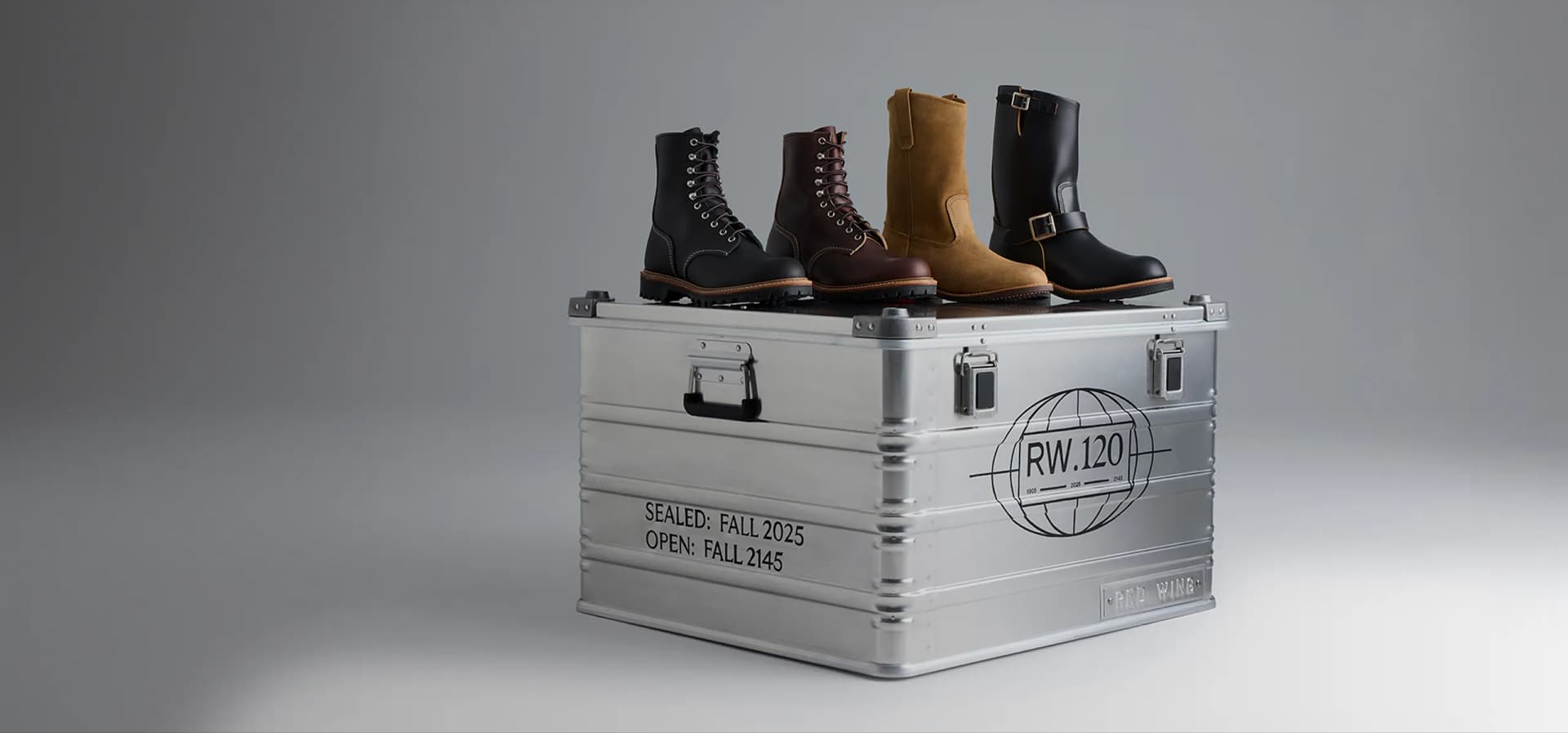
A fashion SEO agency earns the name on the catalogue, not the blog. Zalando, Farfetch, Sephora and Douglas hold the head terms, so a brand wins on brand-plus-category, mid-tail and product detail: which filter combinations become indexable landing pages, what happens to the URL of a sold-out colourway, how a product template carries variants and Offer schema without reading like a spec sheet. We run that work for Balmain Hair across 4+ labels in 6 languages, for Filling Pieces across 100+ landing pages in 3 languages and for Red Wing across 6 European markets. A beauty SEO agency has to add ingredient and routine queries, professional versus consumer lines and salon locators on top. We do both from Amsterdam, senior consultants only.
See fashion and beauty casesHow a fashion and beauty SEO engagement runs
How a LASEO fashion and beauty SEO engagement runs
Five phases over the first 12 months. Each phase ends with a decision document and a deliverable shipped to your theme repo, your PIM, your CMS or your reporting stack.
- 01
Catalogue crawl and demand mapping (weeks 1-2)
Full Screaming Frog crawl of the catalogue with log-file analysis to see which category, filter and product URLs Google actually fetches versus which merely exist. SEMrush and Ahrefs demand per market mapped to the category tree: brand plus category, category plus attribute (colour, material, fit, finish), ingredient and routine queries for beauty. Output: a demand-to-URL map showing which categories carry the revenue and which filter combinations deserve their own page. Atelier Munro started this way: 1,814 URLs audited against a market of 56,000+ monthly searches.
- 02
Category architecture and facet rules (weeks 2-4)
Decision document for the category tree and every facet: index, noindex or block, per attribute and per market. Evergreen category URLs defined so seasonal drops land inside them rather than on a fresh URL. Canonical rules for colour variants, pagination handling, parameter rules in robots.txt. Delivered as a spec your Shopify Plus or Salesforce Commerce Cloud developers can implement without a second meeting, with the Screaming Frog configuration to verify it afterwards.
- 03
Product template and lifecycle rules (weeks 4-8)
Product, Offer and AggregateRating schema fitted to the template, variant handling for colour, size and shade, structured attributes so the editorial copy stays editorial. Lifecycle rules for sold-out, discontinued and reformulated products: notify-me states, successor links, 301 to the parent category, no deleted URL that holds a backlink. Merchant Center feed aligned with on-page titles and GTINs so Shopping and organic agree. Shipped as a Git pull request or theme ticket.
- 04
Editorial, per-label content and links (months 2-6)
Content briefs for the guides that support categories: care, fit, sizing, styling, ingredient explainers and routine pages for beauty, each with a fixed internal link into the category it feeds. Per-label and per-market briefs where the catalogue splits, as with Balmain Hair's Hair Couture, Professional, Salon and Extensions lines. Link targets from fashion and beauty media, digital PR angles per collection or launch, outreach run by us or handed to your PR team with briefs.
- 05
Revenue per label and market dashboard (month 2 onward)
Looker Studio pulling GSC properties split per language folder and GA4 revenue per label, category and market. The monthly scorecard shows clicks, organic revenue, rank movement on tracked category terms and the index status of your facet rules, so a theme deploy that flips filters to indexable is caught the same month. Red Wing reads 6 European markets this way; Balmain Hair reads its labels separately.

Think of us asthe SEO team underneath your brand and ecommerce teams.
Your brand and creative teams own the collection, the campaign calendar, the photography and the tone of voice. Your ecommerce team owns merchandising, pricing and the Shopify Plus or Salesforce Commerce Cloud stack. We own the SEO layer underneath both: category architecture, the faceted navigation rules that decide which filter pages are indexable, product template markup with Product and Offer schema, 301 rules for sold-out and discontinued products, editorial briefs that link back into categories, and a Looker Studio dashboard that reports organic revenue per label and per market. Changes ship as Git pull requests or theme tickets your developers can act on, not as a PDF audit. That is the split that lets Balmain Hair run 4+ labels in 6 languages under one architecture.
What a fashion and beauty SEO agency actually does
Fashion and beauty SEO, explained without the agency fog
Fashion and beauty SEO is three problems stacked: the catalogue (architecture, facets, product templates, lifecycle), the brand (editorial that supports categories without cheapening the tone) and the market (Zalando, Farfetch, Sephora and Douglas holding the head terms while you own brand-plus-category and mid-tail). Each has a lazy answer that is easy to ship and expensive to undo.
Faceted navigation is an index decision, not a UX one
Every filter combination is a potential URL. Take a catalogue with 40 categories, 12 colours, 8 sizes and 5 materials as an example: the combinations run into tens of thousands of crawlable pages that all say the same thing. The rule: index a facet only where demand exists and the page can carry unique copy (colour, material, sometimes fit), noindex the rest, block sort and view parameters. Re-check after every theme deploy.
Evergreen categories outlive seasonal collections
A collection URL created for each drop starts from zero every season and dies with the sale. An evergreen category (/women/coats/) accumulates links, reviews and rankings across years, with the seasonal edit merchandised inside it. New in gets one stable URL whose content changes, not one URL per week. Sold-out products stay live with a successor link until the line is gone; discontinued lines 301 to the parent.
Templates carry the SEO so copy can carry the brand
The template holds Product, Offer and AggregateRating schema, the structured attributes (material, fit, finish, shade), the variant logic and the internal links. The copy holds the brand. When an agency cannot rank a product page without stuffing it, the template is broken, not the copy. Beauty SEO adds ingredient lists and usage as structured blocks; the routine content links to them instead of repeating them.
Marketplaces hold the head terms, so own the mid-tail
Zalando, Farfetch, Sephora and Douglas will outrank a single brand on sneakers or serum on authority alone. The queries a brand can win are brand-plus-category, category-plus-attribute (white leather low-top sneakers), ingredient and problem queries (niacinamide serum for oily skin) and anything carrying the brand's own product names. Being listed on the marketplace and ranking your own product page are not in conflict if canonicals and feeds are clean.
Editorial only counts when it feeds a category
A trend piece that ranks and links nowhere is a vanity metric. Care guides, fit and size guides, styling pages, ingredient explainers and routine builders exist to pass authority and shoppers into the category they belong to. Every brief we write names the category it feeds and the anchor it uses. Atelier Munro's wedding content hub is the model: it answers the groom's questions and leads to the made-to-measure product.
Multi-label and multi-market share one architecture
Balmain Hair runs Hair Couture, Professional, Salon and Extensions in 6 languages on one site architecture, with content and links per label. Red Wing runs 6 European markets in 5 languages. The pattern: one URL scheme, one facet rule set, one template, hreflang verified per language pair with Merkle's tester, and reporting per label or market. Professional and consumer lines in beauty need the same separation so they stop competing for one query.

.svg?dpl=dpl_BUKTNznZkX6bCnYgYToE3smHWxWV)
.svg?dpl=dpl_BUKTNznZkX6bCnYgYToE3smHWxWV)




Why LASEO vs alternatives
Fashion and beauty SEO agencies compared honestly
Generalist ecommerce agencies, a fashion SEO company that is really a content shop, freelancers and in-house hires all have legitimate use cases. Here is where a senior fashion and beauty SEO partner fits and where it does not.
Blogs and hopes
- Left to the filter app's defaults. Either every colour-size combination is indexable or the whole filter set is noindexed, including the pages with demand.
- New URL per drop, 404 for every sold-out product. Rankings and links reset each season.
- Keyword copy pasted under luxury photography until the page reads like a marketplace listing.
- Monthly trend posts because the calendar says so. They rank occasionally and link nowhere.
- Chases sneakers and serum against Zalando and Sephora, then reports impressions.
- One blended organic line across every label and market. Cannot tell whether Professional or Consumer, France or Germany, pays for itself.
Owns the catalogue layer
- Every facet classified per attribute and market: index where demand and unique copy exist, noindex the rest, block parameters. Documented in a rulebook and re-crawled after each theme deploy.
- Evergreen category URLs with the seasonal edit inside them, one stable new-in URL, lifecycle rules per product: live with successor, 301 to parent, never delete a linked URL.
- Template carries schema, attributes, variants and links. Copy stays editorial in the brand's voice. 100+ landing pages refined this way with Filling Pieces.
- Briefs for guides that feed a named category: care, fit, styling, ingredients, routines. Every piece has a fixed internal link and a category it is measured against.
- Cedes the head terms, owns brand-plus-category, attribute and ingredient queries, keeps canonicals and the Merchant Center feed clean so your own product pages win the mid-tail.
- GA4 revenue per label, category and market. GSC per language folder. Looker Studio dashboard your ecommerce lead filters alone. Balmain Hair reads 4+ labels, Red Wing 6 markets.
Topical cluster
Related industries and services
Ecommerce SEO
Ecommerce SEO is a different discipline. We make products visible to buyers with real purchase intent, on…
Shopify SEO
Shopify SEO is a platform-specific discipline. Generic agencies miss the theme code and URL patterns that cap…
Link Building
We win editorial backlinks via digital PR, HARO commentary and data-led campaigns. Not 5,000 spam emails to…
Conversion Rate Optimization
Statistical rigour, full-funnel testing, and revenue uplift measured in EUR per visitor. No 50-visitor tests…
International SEO
We handle the technical layer: hreflang return-tags, ccTLD vs subfolder decisions, Shopify Markets…
Enterprise SEO Agency
Senior-only SEO for sites with thousands of URLs and a release train. Philips: 17 storefronts, 8 languages, 2…
Fashion and beauty at scale
Fashion and beauty SEO work that ranked the catalogue and kept the brand







What clients say about working with LASEO
Premium ecommerce and category work in their own words
LASEO rebuilt our category structure so every sunglasses line ranks on the right search intent. Our organic revenue has been growing steadily since.
Our product pages did nothing in Google until LASEO rewrote the templates using the actual language our customers search with. Organic conversions have been significantly higher since.
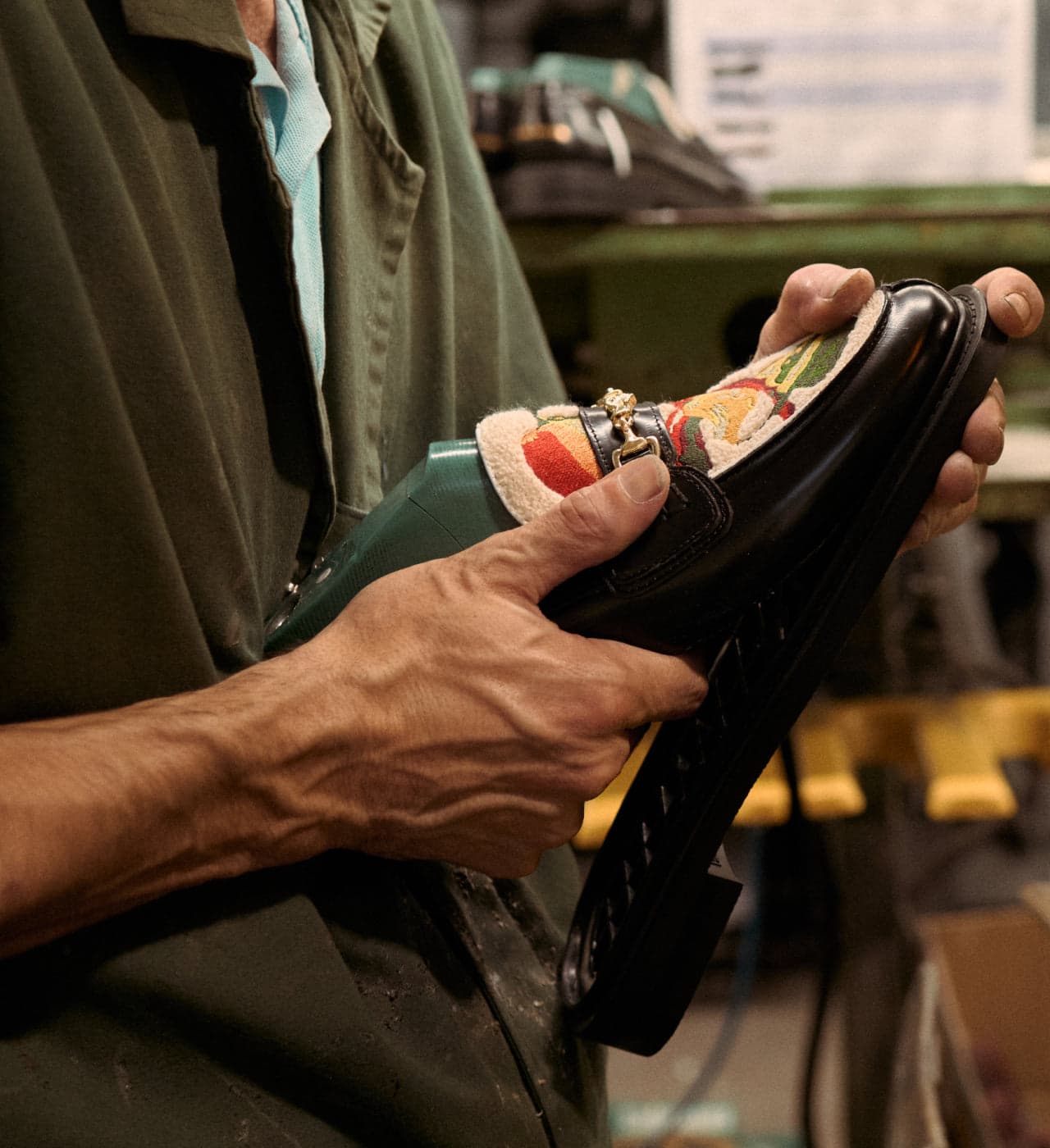
LASEO gets premium ecommerce. They optimised our shoe pages without watering down the brand, and the organic sales show it.
LASEO rebuilt our category structure so every sunglasses line ranks on the right search intent. Our organic revenue has been growing steadily since.
Our product pages did nothing in Google until LASEO rewrote the templates using the actual language our customers search with. Organic conversions have been significantly higher since.
LASEO gets premium ecommerce. They optimised our shoe pages without watering down the brand, and the organic sales show it.
Honest answers about fashion and beauty SEO 
What fashion and beauty brands actually ask before signing an SEO retainer.

By giving up the fight it cannot win and building the one it can. Zalando, Farfetch, Sephora and Douglas hold sneakers, coat and serum on authority alone, so we do not report impressions on them. Ecommerce SEO for fashion brands earns revenue from three query classes: brand-plus-category (what a shopper types after seeing you on the marketplace), category-plus-attribute (white leather low-top sneakers, niacinamide serum for oily skin) and the brand's own product names. Each needs a page actually built for it: an evergreen category with an indexable colour or material facet, a product template with clean Product and Offer schema, and a Merchant Center feed that agrees with the page. GA4 then reports organic revenue per category and per market, so you see which category page pays. Recommendation: pull your top categories by revenue from GA4 and check whether each has one evergreen URL that ranks.

Senior strategy call
Bring a fashion or beauty SEO problemto a senior consultant.
30 minutes with a LASEO senior consultant. We will not pitch. We will crawl your catalogue, tell you which facets are leaking, look at what happens to your sold-out products, and say whether we are the right partner for your brand.