SaaS SEO Agency
SaaS SEO agency, measured in trials and MRR, not sessions.
Senior-only SEO for software companies: product-led keywords, comparison and integrations pages, docs SEO, attribution to MRR.
- Senior consultants only, no juniors on your account
- Rated #1 SEO agency in the Netherlands by SEMrush
- Organic tied to trials and MRR in HubSpot and GA4

Trusted by ambitious brands worldwide



SEMrush agency
Rated #1 SEO agency in The Netherlands by SEMrush
100% Dedicated to SEO
SEO is all we do, and we're good at it
Most SaaS SEO is a blog factory.Dozens of top-of-funnel posts a month that never trial.Sign-ups counted, never traced to revenue.
Most SaaS SEO is a blog factory. Dozens of top-of-funnel posts a month that never trial. Sign-ups counted, never traced to revenue.
A SaaS SEO agency is judged on trials, demos and activated accounts, not on sessions. Software buyers search for the job they need done, compare you against a handful of alternatives, check whether you integrate with the stack they already run, and ask ChatGPT or Perplexity for a shortlist before they ever open your pricing page. We are a senior-only, 100% SEO agency in Amsterdam, rated the #1 SEO agency in the Netherlands by SEMrush. We build the bottom-of-funnel layer first: comparison, alternatives, integrations and pricing pages, then docs and product-led content, then the link and GEO work that gets you cited. Every page is tied to a HubSpot or GA4 event so you can see which query produced MRR.
See software and technology casesHow a SaaS SEO engagement runs
How a LASEO SaaS SEO engagement runs
Five phases over the first 12 months. Each phase ends with a decision document and an artefact shipped to your repo, your CMS or your reporting stack.
- 01
Technical audit and attribution baseline (weeks 1-2)
Screaming Frog crawl of the marketing site, the docs and the app subdomain with JavaScript rendering on, compared against raw HTML to catch what Googlebot never sees. Canonicals, noindex rules, sitemap structure, Core Web Vitals per template. In parallel we wire GTM events for trial start, demo request and activation into GA4 and connect HubSpot or Salesforce, so month one already has a baseline of organic pipeline, not just sessions.
- 02
Keyword map by job-to-be-done (weeks 2-4)
SEMrush and Ahrefs research organised by buyer job, not by topic cluster: the problem queries where your product is the answer, competitor and alternatives queries, integrations queries per tool in your marketplace, use-case queries per role and industry, and the pricing and review queries at the end of the cycle. Each query gets an intent label, a target URL and a conversion event. Output: a prioritised map in Notion with the bottom of the funnel on top.
- 03
Bottom-of-funnel templates (weeks 4-10)
Comparison and alternatives pages, integrations pages, use-case pages and the pricing page built as templates with a quality gate: unique copy per page, real screenshots, SoftwareApplication, FAQ and BreadcrumbList schema, and internal links from docs and blog. Copy goes through your product marketing and legal review in the order they need. Shipped as Git pull requests to your Next.js or Webflow project, or as CMS entries with a Loom walkthrough.
- 04
Docs, product-led content and links (months 3-9)
Help-centre and docs SEO: a GSC property for the docs domain, indexation rules, titles that match how users phrase the problem, and internal links back to the feature pages. Product-led content briefs where the product is the answer to a real task, written by your team or by our SEO copywriting team. Link targets from software review sites, partner integrations, developer communities and digital PR around original product data.
- 05
Attribution dashboard and quarterly review (month 2 onward)
Looker Studio dashboard joining GSC queries and pages to GA4 trial and demo events and to HubSpot deals, filterable by query class: comparison, integrations, docs, blog. The monthly scorecard shows organic trials, demos, pipeline and MRR per page group, plus the pages that bring traffic that never activates. Quarterly, we retire or rewrite what does not convert and reallocate the content budget to what does.
Think of us asthe SEO team sitting between product marketing and growth.
Your product marketing lead owns positioning, pricing and the competitive narrative. Your growth team owns the trial funnel and paid. We own the organic layer in between: the keyword map by job-to-be-done, the comparison and integrations page templates, the technical SEO on your Next.js or Webflow marketing site, docs and help-centre indexation, the link targets, and the Looker Studio dashboard that joins GSC queries to HubSpot deals and GA4 trial events. Work ships as Git pull requests, content briefs and Notion runbooks, not as a PDF audit. One senior consultant stays on your account from the first crawl to the quarterly review, so the person who found the problem is the person who fixes it.
What a SaaS SEO agency actually does
SaaS SEO, explained without the agency fog
SaaS SEO is three layers stacked: the technical layer (a JavaScript marketing site, an app subdomain and a docs domain sharing one crawl budget), the page layer (which query classes get a template and which get a one-off page) and the attribution layer (organic tied to trials and MRR, or reported as sessions and forgotten). Each layer has a cheap wrong answer.
Product-led keywords are jobs, not topics
A software buyer rarely searches for your category name. They search for the task: how to sync X with Y, how to automate Z, how to report on W. The page that ranks for that task and shows the product doing it is worth more than a category-term ranking. We map keywords by job-to-be-done and mark which ones your product genuinely answers, so content never promises something the product cannot deliver.
Comparison and alternatives pages carry the funnel
Queries like 'X vs Y' and 'X alternatives' are searched by people with budget and a deadline. Most SaaS sites avoid them because naming a competitor feels risky. The competitor already has a page about you. An honest comparison page, with a feature table, pricing model, real screenshots and the cases where the other tool wins, ranks on the buyer's name query and converts at a rate blog content never reaches.
Integrations pages are programmatic SEO with a quality gate
Queries in the style of '[your product] + Slack' exist for every tool in your marketplace. A template can serve hundreds of them, but Google treats hundreds of near-identical pages as one thin page. The gate: each integration page needs a unique description of what the integration does, a real setup flow, a screenshot, and internal links from docs. Pages that cannot meet the gate stay noindex until they can.
Docs and help-centre SEO is a second funnel
Documentation ranks for problem queries your marketing site never will, and the people searching are often evaluating you or a competitor. Docs on a separate domain or subdomain need their own GSC property, a sitemap, clean canonicals and titles that match how users phrase the problem. Internal links from docs to feature pages are the cheapest authority transfer in SaaS.
SaaS technical SEO is mostly rendering and subdomains
React and Next.js marketing sites can ship empty HTML to Googlebot if rendering is client-side. App subdomains leak logged-out pages, pricing calculators and user-generated URLs into the index. Webflow sites accumulate duplicate CMS collection URLs. SaaS technical SEO means comparing rendered and raw HTML in Screaming Frog, deciding what the app subdomain may index, and keeping Core Web Vitals green per template rather than per page.
Attribution to MRR is an engineering task
Organic sessions tell you nothing about MRR. The trial-start event needs to carry the landing page and the first query, the CRM record needs to keep that source through demo and close, and the dashboard needs to join both. We set this up in GTM, GA4 and HubSpot or Salesforce, then report organic trials, demos and MRR in Looker Studio, per query class and per page.

.svg?dpl=dpl_BUKTNznZkX6bCnYgYToE3smHWxWV)
.svg?dpl=dpl_BUKTNznZkX6bCnYgYToE3smHWxWV)




Why LASEO vs alternatives
SaaS SEO agencies compared honestly
Content agencies, growth marketing shops, freelancers and an in-house SEO hire all have legitimate use cases. Here is where a senior SaaS SEO partner fits and where it does not.
Publishes and counts sessions
- Organic sessions and keyword rankings. Sign-ups counted from a form tool, never reconciled with the CRM.
- Dozens of top-of-funnel posts a month from a keyword-volume list. Traffic from students and job seekers that never trials.
- Avoided because naming a competitor feels risky, or written as a hit piece nobody trusts.
- Hundreds of integrations pages generated from one template paragraph, indexed on day one, devalued as thin content.
- A plugin audit score. The Next.js rendering, the app subdomain and the docs domain are 'the dev team's problem'.
- Senior pitch, then a junior account manager and an offshore writing pool.
Owns the funnel and the attribution
- Organic trials, demos, pipeline and MRR joined from GSC, GA4 events and HubSpot or Salesforce, reported per query class and page in Looker Studio.
- Bottom of the funnel first: comparison, alternatives, integrations, use-case and pricing pages. Product-led content only where the product is genuinely the answer.
- Honest comparison pages with feature tables, pricing models, screenshots and the cases where the other tool wins, reviewed by product marketing and legal.
- Template with a quality gate: unique description, real setup flow, screenshot, schema, internal links. Pages that fail the gate stay noindex until they pass.
- Rendered versus raw HTML compared in Screaming Frog, indexation policy for the app subdomain, docs GSC property, Core Web Vitals per template. Shipped as Git pull requests.
- The senior consultant who ran the audit stays on the account. 100% SEO, no paid media upsell, 98% client retention.
Topical cluster
Related industries and services
Technical SEO
Most agencies audit your technical SEO. We implement it in your repo. Log files, canonicals, schema, Core Web…
SEO Copywriting
Every brief tied to commercial intent and revenue. Senior writers with 5+ years of SEO, not Upwork…
AI SEO
Citation tracking in real AI answers. llms.txt, entity schema and topical authority for the engines actually…
B2B SEO Agency
Senior-only SEO for B2B companies. Bottom-of-funnel pages first, organic tied to SQLs and pipeline in HubSpot…
Enterprise SEO Agency
Senior-only SEO for sites with thousands of URLs and a release train. Philips: 17 storefronts, 8 languages, 2…
Fintech SEO Agency
Senior-only SEO for finance. Compliance sign-off in the content pipeline, provable E-E-A-T and pages built to…
Software and technology work
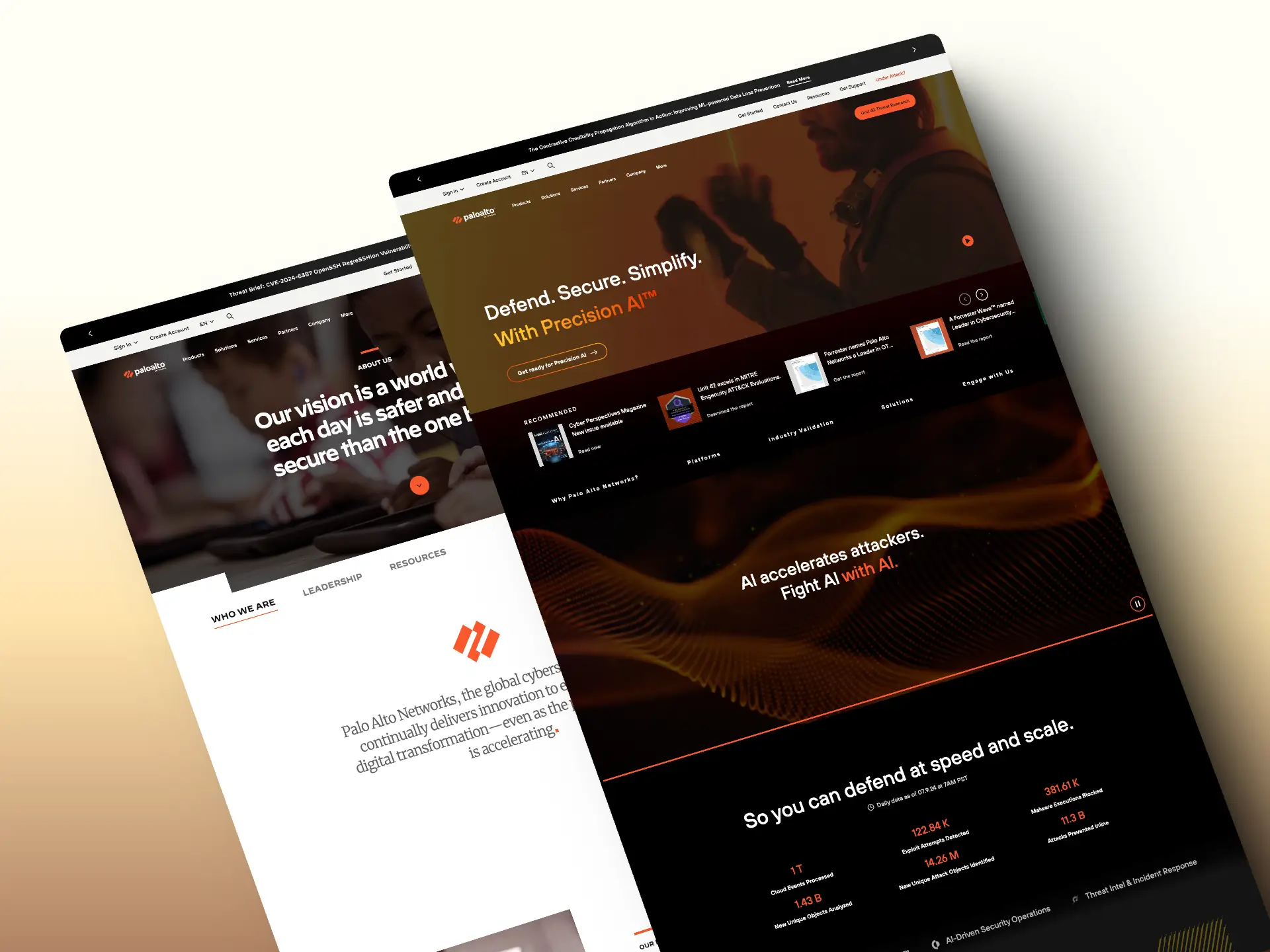
SaaS SEO anchored by Palo Alto Networks, plus adjacent enterprise work










What clients say about working with LASEO
Senior SEO, in our clients' own words
LASEO consulting is a senior thinker alongside you, without agency overhead. Finally an agency that does not park a junior on the account.
Our product pages did nothing in Google until LASEO rewrote the templates using the actual language our customers search with. Organic conversions have been significantly higher since.
Our backlink profile was thin for years. LASEO built targeted links via digital PR and sport media and our authority climbed steadily.
LASEO consulting is a senior thinker alongside you, without agency overhead. Finally an agency that does not park a junior on the account.
Our product pages did nothing in Google until LASEO rewrote the templates using the actual language our customers search with. Organic conversions have been significantly higher since.
Our backlink profile was thin for years. LASEO built targeted links via digital PR and sport media and our authority climbed steadily.
Honest answers about SaaS SEO 
What software companies actually ask before signing a SaaS SEO retainer.

SaaS SEO is search marketing for a subscription software product, judged on trials, demos and activated accounts rather than on sessions. Three things make it different. The buyer searches for a job to be done, not a product category, so keyword research is organised by task and by competitor rather than by topic. The decisive pages are bottom-of-funnel: comparison and alternatives, integrations, use cases, pricing and docs, which are low in volume and high in intent. And the attribution chain runs through a trial event and a CRM, so the work is only measurable if GA4 and HubSpot or Salesforce are wired together. Our recommendation: before hiring anyone, list the competitor and integration queries you do not rank for. That list is your first quarter.

Senior strategy call
Bring a SaaS SEO problemto a senior consultant.
30 minutes with a LASEO senior consultant. We will not pitch. We will look at your comparison and integrations coverage, your app subdomain and docs indexation, and how organic is tied to trials today, then tell you whether we are the right partner.